Apple vs Samsung: Which Smartphone Ecosystem Wins in 2026?
-
June 04 , 2026
-
38
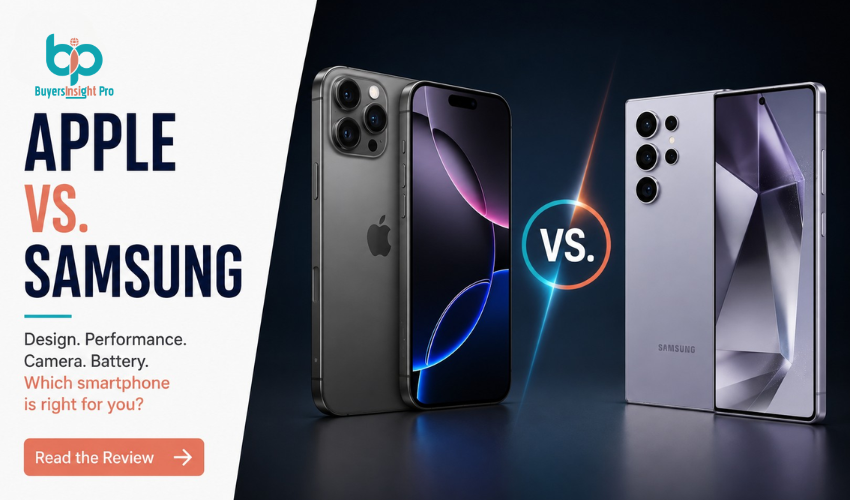
The Apple vs Samsung debate in 2026 is no longer just about choosing a smartphone. The real decision is about selecting an entire digital ecosystem that influences how you communicate, work, and interact with technology every day.
In 2026, both Apple and Samsung ecosystems are highly advanced, powered by AI features, seamless device connectivity, and powerful hardware integration. However, they take completely different approaches to how everything works together. Apple focuses on a tightly controlled, smooth, and consistent ecosystem. Samsung focuses on flexibility, customization and wider device compatibility. So the real question is simple: Apple vs Samsung which ecosystem actually delivers better value and experience in 2026?
Let’s break it down in detail.
Best Offers Right Now (Quick Overview)
Before diving deep, here’s a quick snapshot of how value looks in 2026. Apple ecosystem deals usually revolve around long-term value rather than heavy discounts. You’ll often find savings through trade-in programs and bundled device setups like iPhone + MacBook combinations with financing offers. Samsung ecosystem offers more frequent discounts across devices, especially on Galaxy S series phones, foldables, and bundled smart devices. Seasonal sales often make Samsung a more budget-flexible choice. Apple is about stability in pricing and resale value. Samsung is about active discounts and flexible affordability.
Apple Ecosystem Overview (iPhone, Mac, iPad Integration)
Apple’s ecosystem is built around tight integration. Every device is designed to work seamlessly with the others, creating a unified experience that feels smooth and controlled. In 2026, Apple devices continue to communicate effortlessly through features like AirDrop-style sharing, universal copy-paste functionality and continuity tools that allow you to move between iPhone, MacBook, and iPad without friction. This ecosystem is not designed for experimentation it is designed for reliability and simplicity.
Best Offer (Apple Ecosystem Value)
Apple rarely offers direct discounts, but trade-in upgrades and bundled ecosystem purchases (like iPhone + MacBook setups) often reduce effective cost significantly over time. Apple’s strength is not upfront savings it is long-term value retention.
Samsung Ecosystem Overview (Galaxy Devices & Flexibility)
Samsung takes a different approach. Instead of locking users into a closed system, it builds a flexible ecosystem that works across Android, Windows, and its own Galaxy devices. In 2026, Samsung’s ecosystem includes Galaxy smartphones, Galaxy Buds, Galaxy Watch and Galaxy Book laptops all designed to connect smoothly but still remain open to other platforms. This flexibility is one of Samsung’s biggest strengths.
Best Offer (Samsung Ecosystem Value)
Samsung frequently offers bundle discounts across Galaxy devices, especially during seasonal sales, where you can combine phones, watches and earbuds at reduced prices. Samsung clearly leads when it comes to frequent discounts and bundled savings.
Device Integration and Connectivity
Apple remains the leader in seamless connectivity. The experience of moving files, answering calls or continuing work across devices feels almost instant and effortless. Samsung has improved significantly in recent years with tools like Quick Share and multi-device control features, especially between Galaxy phones and Windows laptops. However, Apple still feels more “invisible” in how everything connects. Samsung is improving, but slightly more manual steps are still involved.
Best Offer (Connectivity Ecosystem Value)
Apple offers long-term integration stability, while Samsung offers more cross-platform flexibility at a lower cost entry point.
Performance and Software Optimization
Apple continues to lead in software optimization. Because it controls both hardware and software, performance remains consistent over time, even on older devices. Apps run smoothly, and system updates are well-optimized across devices. Samsung devices are extremely powerful in raw performance, especially flagship models, but experience can vary slightly depending on device category and software updates.
Best Offer (Performance Value)
Apple provides consistent long-term performance, while Samsung delivers higher flexibility in hardware choices at multiple price levels.
AI Features and Smart Ecosystem Intelligence
AI has become a major battleground in 2026. Apple focuses on subtle, privacy-first AI integration. Its system works quietly in the background, improving suggestions, automating tasks and enhancing usability without overwhelming the user. Samsung takes a more aggressive AI approach. Features like real-time translation, smart summaries and cross-app automation make the ecosystem feel more advanced and interactive. Apple feels refined. Samsung feels powerful.
Best Offer (AI Ecosystem Value)
Samsung currently offers more visible AI features, while Apple provides smoother, less intrusive AI integration.
App Ecosystem and Compatibility
Apple’s App Store remains highly optimized, with strict quality control leading to smoother app performance and better consistency across devices. Samsung’s Android ecosystem, however, offers more freedom. Users can customize, install third-party apps and access a wider variety of tools. If control and customization matter, Samsung wins. If stability and optimization matter, Apple leads.
Best Offer (App Ecosystem Value)
Apple offers premium optimization, while Samsung offers broader app flexibility and customization options.
Hardware Variety and Ecosystem Flexibility
Samsung clearly dominates in hardware variety. From foldable phones to budget-friendly smartphones and premium flagships, users have multiple options within the same ecosystem.
Apple follows a minimal model strategy. Fewer devices, but highly refined and consistent.
This makes Samsung better for users who want choice, while Apple suits users who prefer simplicity.
Best Offer (Hardware Value)
Samsung provides wider hardware selection at different price points, while Apple focuses on premium consistency across fewer devices.
Privacy and Security
Apple continues to lead in privacy-focused design. Its ecosystem minimizes data tracking and prioritizes user security across all devices. Samsung offers strong protection through Knox security, but the Android ecosystem inherently allows more external integrations, which can introduce additional risks. Apple is still widely considered the stronger option for privacy-focused users.
Best Offer (Security Value)
Apple provides stronger default privacy controls, while Samsung offers enterprise-level security options with more flexibility.
Pricing and Value Analysis
Apple devices come with higher upfront costs but also deliver better resale value and longer software support. Samsung devices offer more pricing flexibility, frequent discounts and a wider range of budget-friendly options. Over time, Apple holds value better. In the short term, Samsung is easier on the wallet.
Best Offer (Value Comparison)
Samsung offers better short-term affordability, while Apple offers stronger long-term value retention.
Pros and Cons
| Category | Apple Ecosystem | Samsung Ecosystem |
| Integration | Seamless | Strong but flexible |
| AI Features | Refined | More advanced tools |
| Pricing | Expensive | More budget options |
| Hardware Variety | Limited | Wide range |
| Privacy | Very strong | Strong but open |
Who Should Choose What?
Apple is best suited for users who want a simple, stable, and highly reliable ecosystem where everything works without effort. It is ideal for professionals, students, and users already invested in Apple devices. Samsung is better for users who want flexibility, customization, and a wider range of device choices across different budgets. It is ideal for tech enthusiasts and users who prefer control over their experience.
Final Verdict
The Apple vs Samsung ecosystem comparison in 2026 does not have a single winner. Apple still leads in consistency, privacy, and seamless integration. Samsung leads in flexibility, hardware variety, and AI-driven features. The best choice depends entirely on your usage style rather than overall superiority. If you want simplicity and long-term reliability, Apple is the safer choice. If you want variety and control, Samsung offers more freedom.
Best Offers Reminder (Final Summary)
Apple offers value through long-term ecosystem stability and trade-in benefits, while Samsung provides more frequent discounts and bundle deals across its device range. Apple focuses on premium consistency. Samsung focuses on flexible pricing and broader accessibility.
FAQs
Which ecosystem is better in 2026, Apple or Samsung?
Both are strong. Apple leads in integration, while Samsung leads in flexibility and features.
Is Apple better for beginners?
Yes, Apple is simpler and easier to use for most users.
Is Samsung cheaper than Apple?
Yes, Samsung offers more budget-friendly options and frequent discounts.
Which ecosystem has better AI features?
Samsung currently offers more visible AI tools, while Apple focuses on subtle AI integration.
Which is better for long-term use?
Apple generally offers longer software support and better resale value.
Can Apple and Samsung devices work together?
Yes, but Samsung offers better cross-platform compatibility overall.
Can I write you?
Sign up to get my weekly newsletter.
Trending Stories




Best Seller