
A Complete Guide to Buying Your First Tesla in 2026: What You Need to Know
-
June 05 , 2026
-
38
Buying a Tesla in 2026 is no longer just about choosing an electric car. It’s closer to picking a full tech ecosystem on wheels, where software, charging networks and long-term updates matter just as much as performance and design. If you’re planning your first purchase, understanding how everything fits together can save you from expensive mistakes. This guide to A Complete Guide to Buying Your First Tesla in 2026 breaks down models, charging, real costs and ownership experience in a simple way so you know exactly what to expect before you commit.
Table of Contents
-
- Why Tesla Is Still Popular in 2026
- Choosing the Right Tesla Model
- Understanding Range and Battery Options
- Charging: What You Need to Know
- Real Cost of Owning a Tesla
- Key Features You Should Understand
- Common Mistakes First-Time Buyers Make
- Tesla vs Other EVs in 2026
- Final Buying Checklist
- FAQs
Why Tesla Is Still Popular in 2026
Tesla continues to dominate conversations around electric vehicles because it didn’t just build cars it built an ecosystem. The brand is still popular due to its strong battery efficiency, fast charging infrastructure, and software-first approach. Unlike traditional vehicles, Tesla cars improve over time through over-the-air updates, meaning your car can feel “new” even after years of ownership. In 2026, competition is stronger than ever, but Tesla still holds a clear identity: it focuses heavily on range efficiency, charging convenience, and a tightly connected digital driving experience.
Choosing the Right Tesla Model
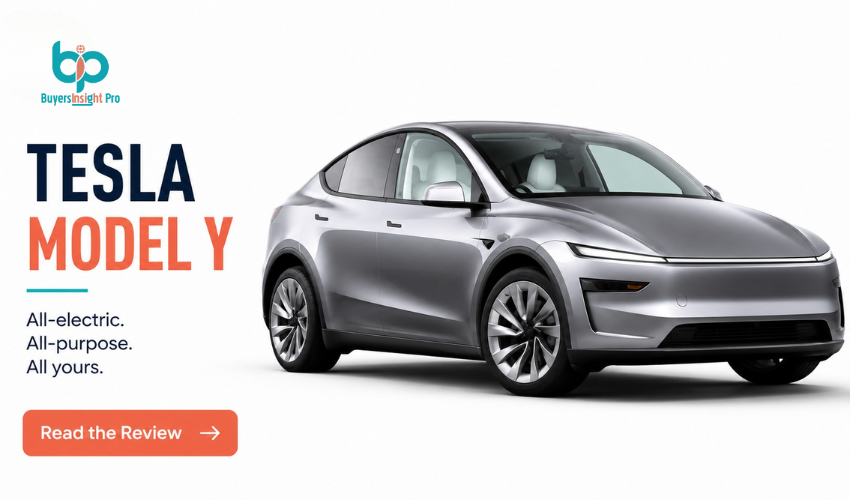
Selecting the right model is usually the first real decision in your buying journey. The Tesla lineup in 2026 is fairly straightforward, but each model serves a different type of driver. The Tesla Model 3 remains the entry point for most buyers. It is compact, efficient, and ideal for city driving or daily commuting. If you want something practical without going too expensive, this is often the starting point. The Tesla Model Y is more popular with families or people who need extra space. It offers SUV-like practicality while maintaining Tesla’s efficiency and performance balance. For many first-time buyers, this becomes the “safe” choice. Higher-end models like the Model S and Model X focus more on luxury and performance. They offer more features, more power, and a higher price tag, but they are not necessary for most first-time owners. For most people entering the Tesla ecosystem for the first time, the Model 3 or Model Y usually makes the most sense.
Best Offer:
Entry-level Tesla trims often come with seasonal price adjustments or financing incentives depending on region, making the Model 3 especially attractive for first-time EV buyers.
Understanding Range and Battery Options
Range is one of the most important factors in any Tesla purchase, but it’s also one of the most misunderstood. Tesla’s claimed range numbers are based on ideal conditions. In real-world driving, your actual range depends on speed, weather, driving habits, and terrain. Highway driving usually reduces range compared to city driving, while cold weather can also impact battery efficiency. The good news is that most Tesla models in 2026 offer more than enough range for daily use. Even with real-world variations, you can comfortably handle commuting and occasional long trips without constant charging stress. Battery technology has also improved, making range more stable and predictable compared to older EV generations.
Best Offer:
Some newer Tesla variants include improved battery packs with better efficiency, giving slightly higher real-world range without significantly increasing price.
Charging: What You Need to Know
Charging is where Tesla still has one of its biggest advantages. There are three main charging options you’ll rely on as an owner. Home charging is the most convenient option. It is slower compared to public fast charging, but it allows you to wake up every day with a “full tank.” For most users, this becomes the primary charging method. The Tesla Supercharger network is where Tesla truly stands out. It offers fast charging on long trips and is one of the most reliable charging systems globally. You can gain a significant amount of range in a short stop, which makes road trips much easier. Public charging stations also exist, but they are more inconsistent depending on your location and third-party providers. In practical terms, most Tesla owners use a combination of home charging and Superchargers for complete coverage.
Best Offer:
Many new Tesla purchases include discounted home charging installation packages or partnerships with certified installers in select regions.
Real Cost of Owning a Tesla
The price you see on the sticker is only part of the total cost of ownership. Electricity costs are generally lower than fuel, which is one of the main financial advantages of owning a Tesla. Over time, this can lead to noticeable savings, especially for daily commuters. Insurance costs can vary and may be higher than some traditional vehicles depending on your location and driving profile. However, maintenance costs are typically lower because EVs have fewer moving parts. If you install home charging, there may be an upfront setup cost, but it usually pays off in convenience and long-term savings. Overall, Tesla ownership tends to be more cost-efficient over time compared to petrol-powered vehicles, especially for high-mileage drivers.
Best Offer:
Some Tesla markets offer bundled service or insurance partnerships for new buyers, which can reduce initial ownership costs.
Key Features You Should Understand
Tesla vehicles are heavily software-driven, and that changes how you interact with the car. Most controls are managed through a large central touchscreen, replacing traditional buttons. The system feels more like using a smartphone than driving a conventional car. Over-the-air updates are another major feature. These updates can improve performance, add features, and fix issues without visiting a service center. Driver assistance systems also play a big role in the experience, though they still require driver attention and are not fully autonomous. The overall experience is designed to feel modern, connected, and continuously evolving.
Common Mistakes First-Time Buyers Make
Many first-time Tesla buyers run into issues not because of the car itself, but because of expectations. One common mistake is choosing a model without considering space requirements. Another is buying without planning a proper charging setup at home.
Some buyers also overestimate self-driving capabilities, expecting full autonomy immediately, which is not the case in real-world usage. Ignoring insurance costs or real-world range differences can also lead to frustration after purchase. Most problems come from planning gaps, not from the vehicle quality itself.
Tesla vs Other EVs in 2026
By 2026, Tesla is no longer alone in the EV space. Brands like Ford, Hyundai, and others have significantly improved their electric offerings. Tesla still leads in charging infrastructure, software experience, and range efficiency. However, competitors are catching up in areas like interior comfort, physical controls, and lower entry pricing. Some drivers prefer the more traditional feel of rival EVs, while others prefer Tesla’s tech-focused ecosystem. There is no universal winner anymore. The decision depends on whether you prioritize software and charging convenience or comfort and traditional usability.
Final Buying Checklist
Before making your purchase, it’s worth checking a few key things. Make sure you choose the right model based on your lifestyle and space needs. Confirm that charging options are available in your area, especially home charging if possible. It’s also important to check insurance costs in advance and compare at least one competitor before finalizing your decision. A test drive can also help you understand whether Tesla’s driving style and interface match your expectations.
Best Offer Reminder:
Occasionally, Tesla offers regional promotions, referral benefits or financing deals that can slightly reduce upfront costs for first-time buyers.
FAQs
Is Tesla still worth buying in 2026?
Yes, especially for buyers who want strong EV performance, advanced software, and reliable charging infrastructure.
Which Tesla is best for first-time buyers?
The Model 3 and Model Y are the most practical choices for most new buyers.
Do I need home charging for a Tesla?
It’s not mandatory, but highly recommended for daily convenience.
How expensive is Tesla maintenance?
Generally lower than traditional petrol cars due to fewer mechanical components.
Is Tesla better than other EV brands in 2026?
It depends. Tesla leads in software and charging, while some competitors offer better comfort or pricing.
Can I write you?
Sign up to get my weekly newsletter.
Trending Stories




Best Seller